For move-out cleaning in St. George, remove belongings first, follow the property's written return checklist, clean from high surfaces down to floors, and inspect appliances, cabinets, bathrooms and closets before returning keys. Photograph the finished condition and record existing defects separately. Leave time for corrections after the movers leave. Professional cleaning helps complete the agreed scope, but it does not guarantee a deposit refund or repair damage.
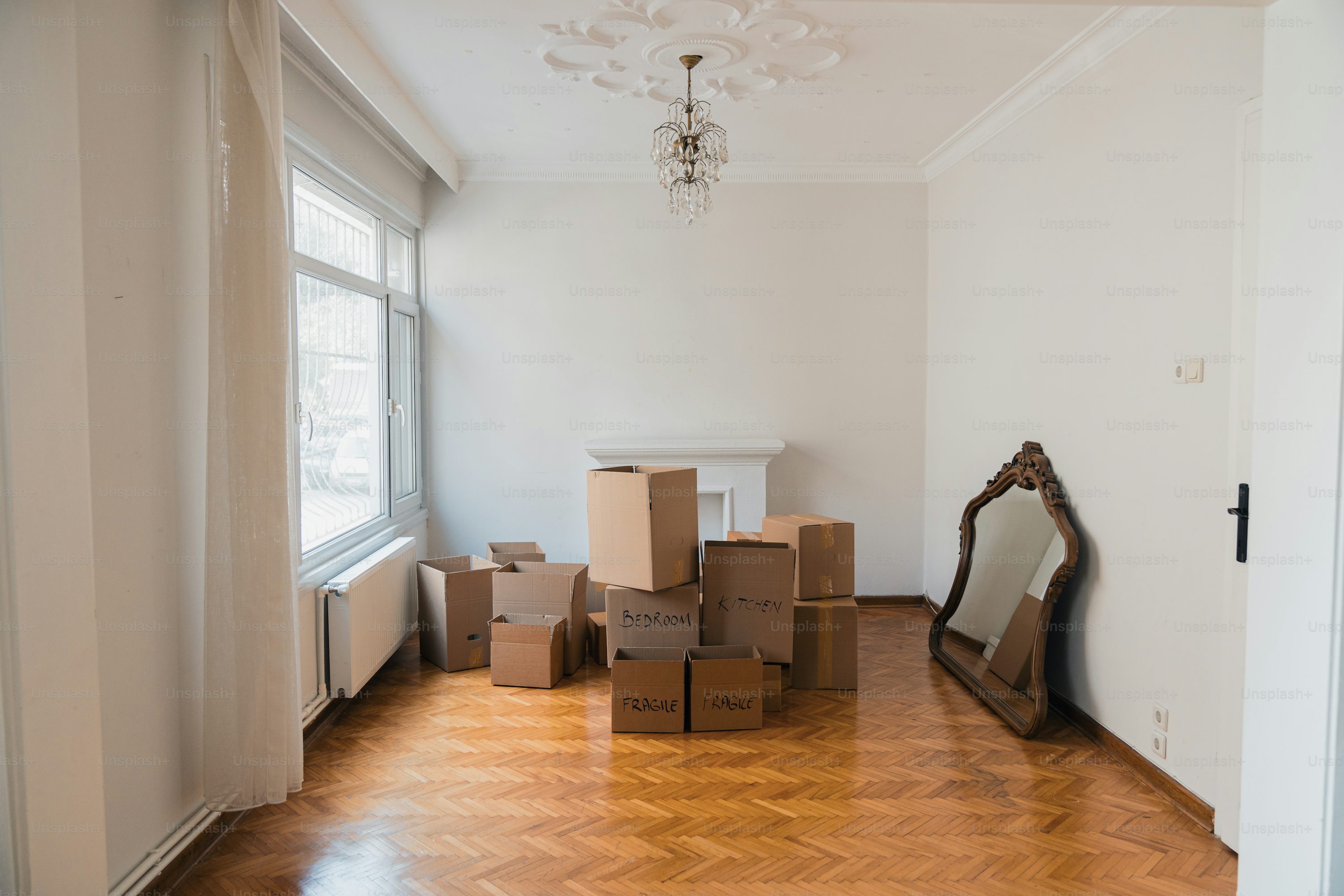
Start with the return condition, not a generic checklist
A rental in Little Valley, a townhome in Washington or a house near Snow Canyon may have different floor materials, appliance finishes and lease instructions. Ask for the written move-out requirements before buying products or booking help. Confirm appliance interiors, carpet services, window work, outdoor areas and waste removal individually; a general “deep clean” label does not define all those tasks.
Compare the present condition with your move-in record. Utah Legal Services' apartment-condition form includes kitchen appliances, fixtures, walls, floors, windows and lights, and calls for two copies at move-in and move-out: one for the owner and one for the tenant. A consistent record is more useful than a hurried photo of an empty living room.
The Utah Courts deposit guide lists cleaning separately from damage beyond normal wear and tear, unpaid rent and lease-agreed items. That is why cleanliness and deposit disposition are not the same question. This guide provides cleaning and documentation suggestions, not individual legal advice.
Build a handoff timeline with room for rework
| Planning milestone | Action |
|---|---|
| About 7 days before | Confirm scope, empty-home date, utility access and inspection/key-return arrangements. |
| After the movers finish | Remove leftover items and trash; complete the detailed room and appliance clean. |
| 24–48 hours of buffer, if feasible | Allow time for drying, photos, missed areas and any separately arranged specialty work. |
| Final 30–45 minutes | Walk the checklist, photograph the dry condition and confirm the handoff instructions. |
These are planning allowances, not local service guarantees or legal notice periods. A large home, heavy buildup or same-day move may require a different schedule. Keep water and electricity available as agreed for the cleaning window, and confirm when utilities should be transferred or discontinued. Do not leave that decision to the cleaner.
Kitchen walkthrough: inspect inside as well as outside
Appliances and cabinet interiors
Once food and belongings are removed, check the refrigerator, freezer, microwave, oven and cabinet shelves against the agreed scope. Look for crumbs at shelf edges, sticky drawer bottoms, grease around handles and residue below small appliances. Empty does not automatically mean clean. Allow washed parts to dry and follow the appliance manual for removal, reassembly and power instructions.
For exteriors, Whirlpool's care guidance distinguishes finishes; traditional stainless calls for warm soapy water, a nonabrasive sponge, wiping with the grain and drying with a soft cloth. It warns against products that can damage its finishes. Do not use an oven cleaner or an improvised acid treatment on an unrelated appliance surface.
Oven cleaning is not a last-minute shortcut
Check the model before choosing manual cleaning or a built-in cycle. Whirlpool's range-maintenance guidance says high-temperature self-cleaning needs ventilation and clear oven vents, and warns against damaging the door gasket. A cycle also needs time beyond simply pressing a button. Do not start unfamiliar self-cleaning, move a heavy appliance or disconnect a gas line just to finish a walkthrough checklist.
Bathrooms, storage and floors: the easy-to-miss areas
Inspect the toilet exterior and base, vanity drawers, mirror edges, accessible shower tracks and the floor behind the door. Separate removable soap film or mineral deposits from pitting, etched stone and failing sealant. Our surface-safe hard-water guide explains why vinegar is not appropriate for every finish. Damage may need the property manager or a restoration specialist, not repeated scrubbing.
Check closets, shelves, baseboards and accessible dust ledges after belongings are gone. Remove loose red grit before damp wiping or mopping. In homes near open desert, Sand Hollow or active building areas, finish the entry path last and avoid carrying dust back over a completed floor. Tell the cleaner about delicate flooring, coatings and any restricted areas.
Use products only as directed. The CDC warns against mixing bleach or disinfectants with other cleaners and recommends ventilation and label-directed protection. Stronger chemistry does not compensate for the wrong product, an inaccessible surface or a missed inspection step.
A five-step final walkthrough you can repeat
Confirm the agreed return condition
Review the lease, written move-out instructions and original condition report. Confirm access, utilities, key return and the inspection deadline.
Clear the property before detail cleaning
Remove belongings, food and waste so cabinets, closets, appliances and floors are accessible. Separate disposal or repairs from cleaning.
Clean systematically and inspect hidden areas
Work high-to-low through rooms, check agreed appliance interiors and storage spaces, then finish floors without dragging dirt back inside.
Document the dry result
Take clear room-wide photos and close-ups of cleaned areas and existing defects. Compare with the move-in record rather than describing wear as a cleaning failure.
Complete the handoff
Walk the agreed checklist, record unresolved issues, return keys by the agreed method and keep a copy of the condition documentation.
Take room-wide photos plus clear close-ups of appliances, storage interiors, bathrooms and pre-existing defects. Use consistent lighting and keep originals rather than edited pictures. Record what remains unresolved and who will handle it; do not hide a defect behind a vague “professionally cleaned” note. Save the cleaning scope and receipt alongside the condition report.
Choose the service that matches the handoff
For an empty rental, move-in and move-out cleaning is the natural starting point. A maintained occupied home may instead suit standard or recurring cleaning; extensive buildup may need a separately scoped deep clean. Use our earlier room-by-room move-out guide for broader preparation, then use this article for the final handoff.
A short-term rental near the Zion travel corridor follows a host's checklist and guest schedule through Airbnb and vacation-rental cleaning. An office lease return can need office cleaning with an agreed business-space scope. Fine dust after repairs or renovation may require post-construction cleaning; construction residue should not be silently treated as an ordinary rental reset.
Across St. George, Washington, Santa Clara, Hurricane and Ivins, a useful quote describes property size, bathrooms, current condition, appliance interiors, floor types and access. Reach quote requests are free—$0 to request an estimate—but the actual cleaning amount is property-specific. Get inclusions and exclusions in writing rather than relying on an unsupported local price table.
Shareable Southern Utah handoff checklist
- Lease and move-out instructions checked; original condition record available.
- Belongings, food and waste removed; agreed utilities and access available.
- Kitchen, bathrooms, cabinets, closets and appliance scope checked.
- Accessible dust removed; floors dry; no fresh grit tracked back inside.
- Condition photos saved; existing damage and unfinished work recorded separately.
- Keys returned as agreed; documentation copies and cleaning receipt retained.
Share this checklist with a roommate, cleaner or property manager before moving day. Mark responsibilities, not just tasks: who removes the last bags, who checks the oven, who takes photos and who returns the keys? That small distinction can prevent a completed clean from becoming an incomplete handoff.
Frequently asked questions
Should move-out cleaning happen before or after furniture is removed?+
The detailed final clean is usually easier after furniture, belongings and waste are removed. You can organize and handle preliminary tasks earlier, but leave a final floor and cabinet check after the movers finish.
What should I check during a St. George rental walkthrough?+
Use the lease and written instructions as your scope. Common checkpoints include appliances, empty cabinets and closets, bathrooms, floors, accessible dust, waste removal, documented defects and key return. Do not assume every landlord uses the same checklist.
Does professional cleaning guarantee my security deposit back?+
No. Utah Courts lists cleaning, unpaid rent, damage beyond normal wear and tear, and lease-agreed items as possible deposit uses. A cleaner can complete an agreed cleaning scope, but cannot decide a landlord's deductions or guarantee a legal outcome.
How much does move-out cleaning cost in St. George?+
Requesting a Reach Cleaning quote is free. The cleaning price depends on property size, bathrooms, buildup, appliance interiors, floor types and access. Ask for a written scope and exclusions; restoration, repairs and hauling should not be assumed included.
How much time should I leave for the final walkthrough?+
As a planning allowance, reserve 30–45 minutes for a modest property's final check and photos, plus more time for larger homes or unresolved issues. That is not the cleaning duration or a guarantee. Schedule enough buffer for rework before the actual handoff deadline.
Sources
Plan Your Empty-Home Cleaning Scope
Share the property condition, written return checklist and deadline. Request a clear quote for your St. George or Washington County handoff.
Request a Quote